Cardiovascular disease
Women are 50% more likely to be misdiagnosed after a heart attack - and more likely to die.
Learn together.
Fund with purpose.
Join a Nordic community of philanthropists and catalytic funders - building a deeper understanding of women’s health and finding meaningful ways to fund progress.
Connect with other funders, researchers, healthcare leaders and innovators, and explore where philanthropic capital can unlock progress - from research and shared infrastructure to initiatives that bridge the gap to commercialisation and fall outside traditional funding models.
Get in touchIn recent years, the women's health gap has gained increasing attention.
Behind that rather abstract concept lies a simple reality: women do not have the same opportunities to live healthy lives as men.
In fact, women spend approximately 25% more of their lives in poor health.
So, if the unmet need is so significant, why haven't market forces closed this gap - and how can philanthropic capital play a role?
For decades, medical research has disproportionately focused on male biology, with findings assumed to apply equally to women. Science is now finally challenging these long-held assumptions, revealing that differences between male and female biology go far beyond hormones - they extend to the genetic and cellular level.
At the same time, conditions that affect women exclusively (such as endometriosis and menopause) or disproportionately (such as Alzheimer’s and autoimmune diseases) have long been under-researched and underfunded relative to their disease burden, shaped by longstanding assumptions about what matters in health and medicine.
It's important to remember that these gaps have consequences far beyond research and scientific breakthroughs - they shape how diseases are diagnosed, treated and prioritised, and limit the development and investability of new solutions.
More research is desperately needed. So is investment in data infrastructure and long-term cohort initiatives that generate the biological and clinical data needed to understand female health on its own terms.
The fact that women make up 51% of the global population, while women's health receives just 6% of private healthcare investment (with 90% of that funding concentrated in women's cancers, reproductive and maternal health), represents a significant market opportunity.
And McKinsey has estimated that closing the women's health gap could add $1 trillion annually to the global economy by 2040, through improved health, greater workforce participation and increased productivity.
Yet we know from history that significant unmet needs and economic potential do not automatically translate into an investable market. Sometimes we need to deliberately build the evidence, infrastructure and conditions that allow innovation to thrive and capital to value the opportunity.
In many conditions affecting women, the lack of validated biomarkers, reliable clinical endpoints and sufficient biological data makes developing and testing new treatments more costly, risky and uncertain. For example, endometriosis trials often rely on patient-reported pain scores, while ovarian ageing research lacks validated surrogate markers of egg quality. For commercial investors, this uncertainty can make even promising opportunities difficult to justify.
The result is a vicious cycle: without sufficient evidence, investment is harder to attract - and without investment, the evidence needed to advance new solutions remains out of reach.
Breaking this cycle requires philanthropic, public and commercial capital to work together, with philanthropy playing a unique role in funding the research, data and infrastructure that lay the foundations for future innovation.
All Nordic governments have recently allocated additional funding to women's health research, but turning this momentum into real, lasting progress will require more resources and long-term commitments that extend beyond political cycles. Philanthropy has an opportunity to help make that happen.
And the potential goes far beyond funding research. By supporting the development of data and infrastructure and helping bridge the gap between research and early commercialisation, philanthropic and catalytic capital can reduce risks further along the innovation journey - making it easier for commercial capital to follow and unlocking investments that might otherwise never happen.
Much of the foundational work needed - from longitudinal cohorts and shared datasets to validated biomarkers and common standards - benefits the entire ecosystem, but offers limited opportunities for any single commercial actor to capture the value.
Philanthropic capital can fund both additional research and these shared resources, enabling research and innovation to build on one another.
Because of the lack of data, innovators in women's health are often expected to build the scientific evidence base alongside their companies. This increases costs, extends development timelines and makes early investment particularly challenging.
Catalytic capital can help bridge this gap - supporting early validation, clinical evidence generation and the translation of research into solutions that can attract commercial investment.
Women are 50% more likely to be misdiagnosed after a heart attack - and more likely to die.
Endometriosis affects 1 in 10 women of reproductive age worldwide - yet diagnosis still takes between 4 and 12 years, and we don't fully understand its causes.
At age 45, women face twice the estimated lifetime risk of developing Alzheimer's compared with men - yet current risk prediction models fail to account for female-specific factors, leaving a critical gap in prevention.
Autoimmune diseases disproportionately affect women - 9 out of 10 lupus patients are women. Yet only now are scientists uncovering how fundamental genetic differences between male and female cells shape our immune systems.
Breaking this cycle requires philanthropic, public and commercial capital to work together, with philanthropy playing a unique role in funding the research, data and infrastructure that lay the foundations for future innovation.
Develop a shared Nordic picture of where capital is actually going, the gaps and opportunities for impact - creating a common understanding of where funding can make a difference.
Bring funders together - and connect them with researchers, healthcare leaders and innovators - to exchange insights and translate unmet needs into clearer funding opportunities.
Pool resources around promising research and initiatives, making it possible to support work that might otherwise struggle to find the right funding.
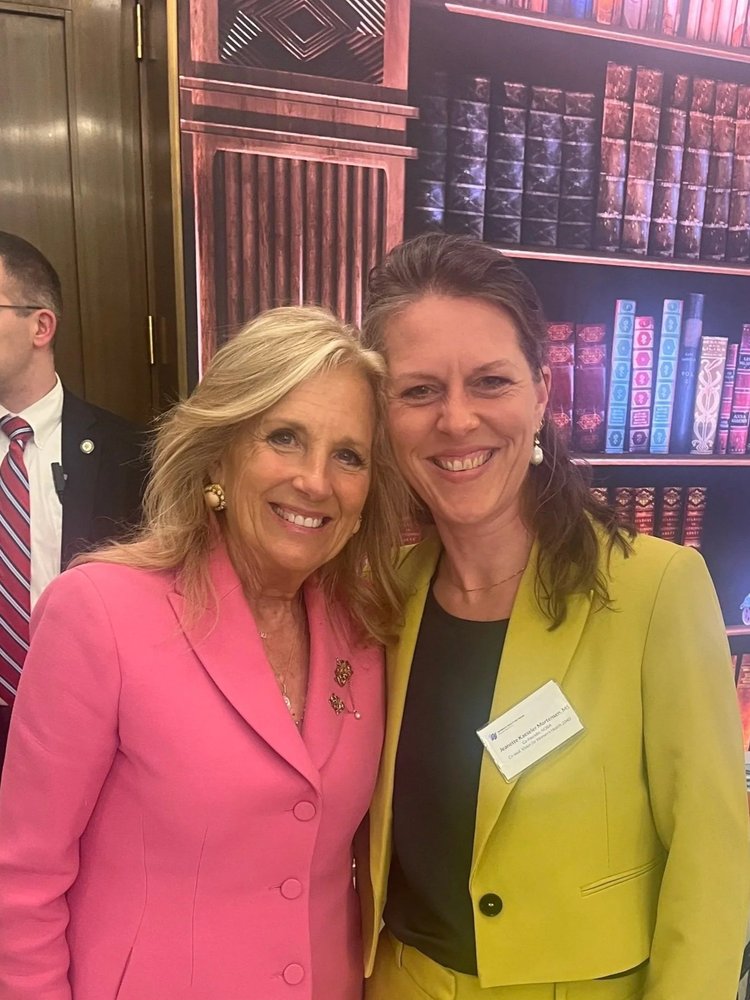
NORA’s co-founder Jeanette Kæseler has been invited to the Milken Institute Women’s Health Network Steering Committee meeting in Washington, DC on April 13 2026, chaired by Jill Biden.
Jeanette joined global leaders in a closed session to shape the future of women’s health and present a Nordic Brief to inspire new collaborations.
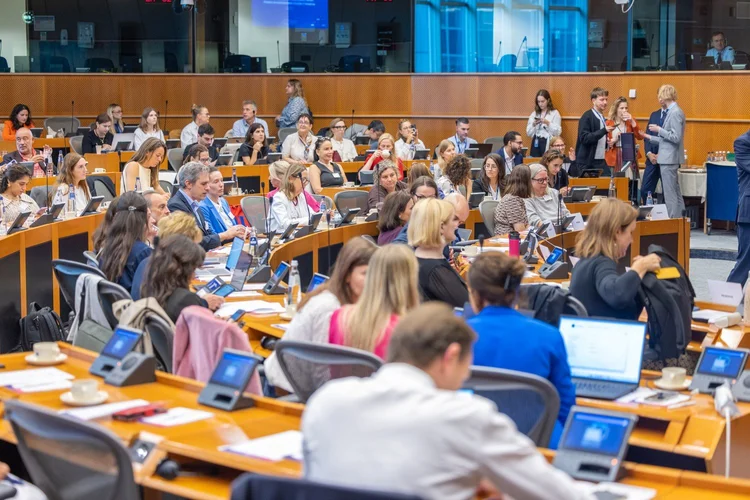
On 1 October 2026, co-founder Anna Sane was invited to join From Challenges to Action: Scaling Women’s Health Innovation in Europe at the European Parliament, organised by Vice-President Ewa Kopacz and the European Innovation Council and SMEs Executive Agency (EISMEA).
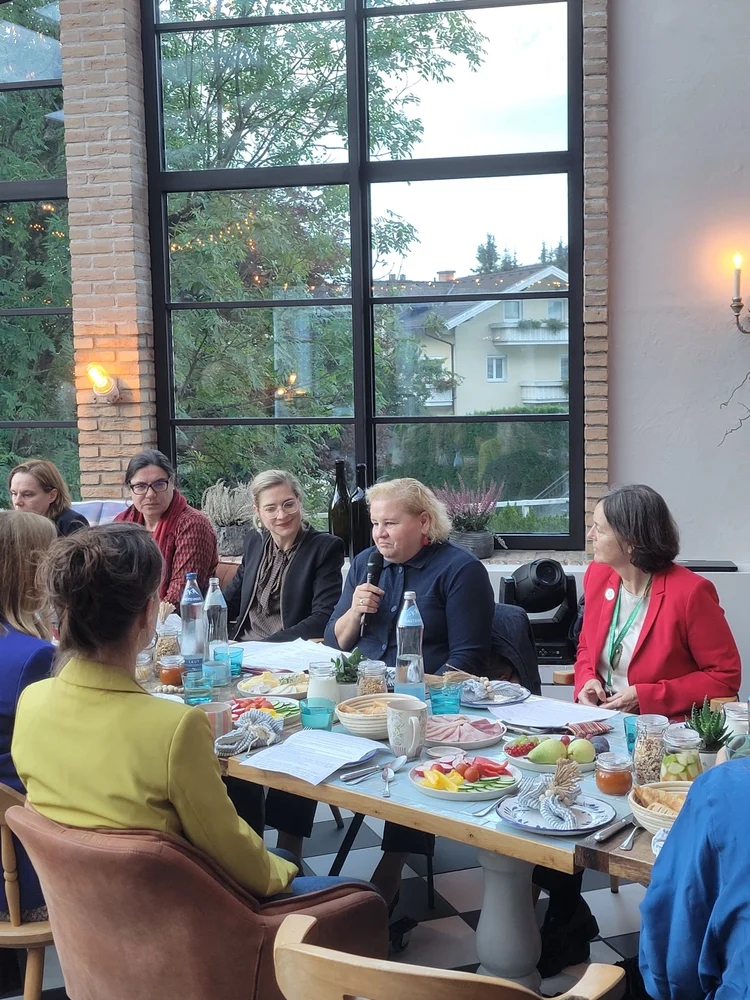
This year’s European Health Forum Gastein centred on the theme “Health for a stronger European Union - high time for action!”. Jeanette Kæseler from NORA brought a Nordic perspective to the European health-policy conversation, sharing key insights from the Nordic Charter for Women’s Health 2040 with Austrian Minister of Health Korinna Schumann.
Together, Jeanette, Ilona Kickbusch and Magda Robalo created a new format; the “sunrise chat” to explore shared challenges and differences in women’s health across the Global North and South.
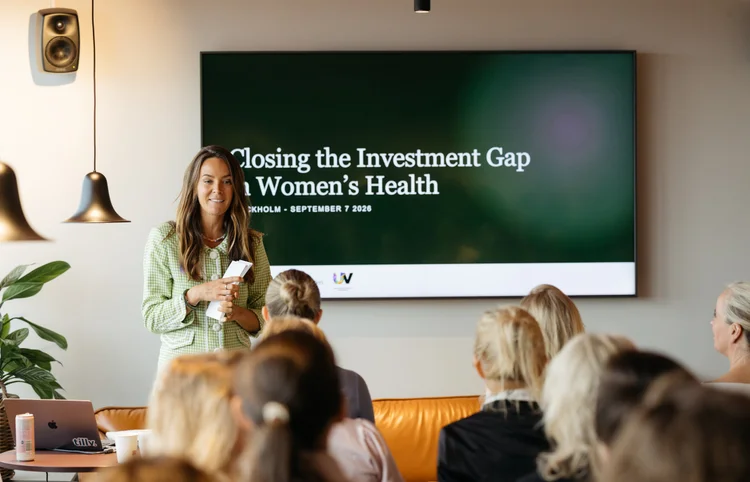
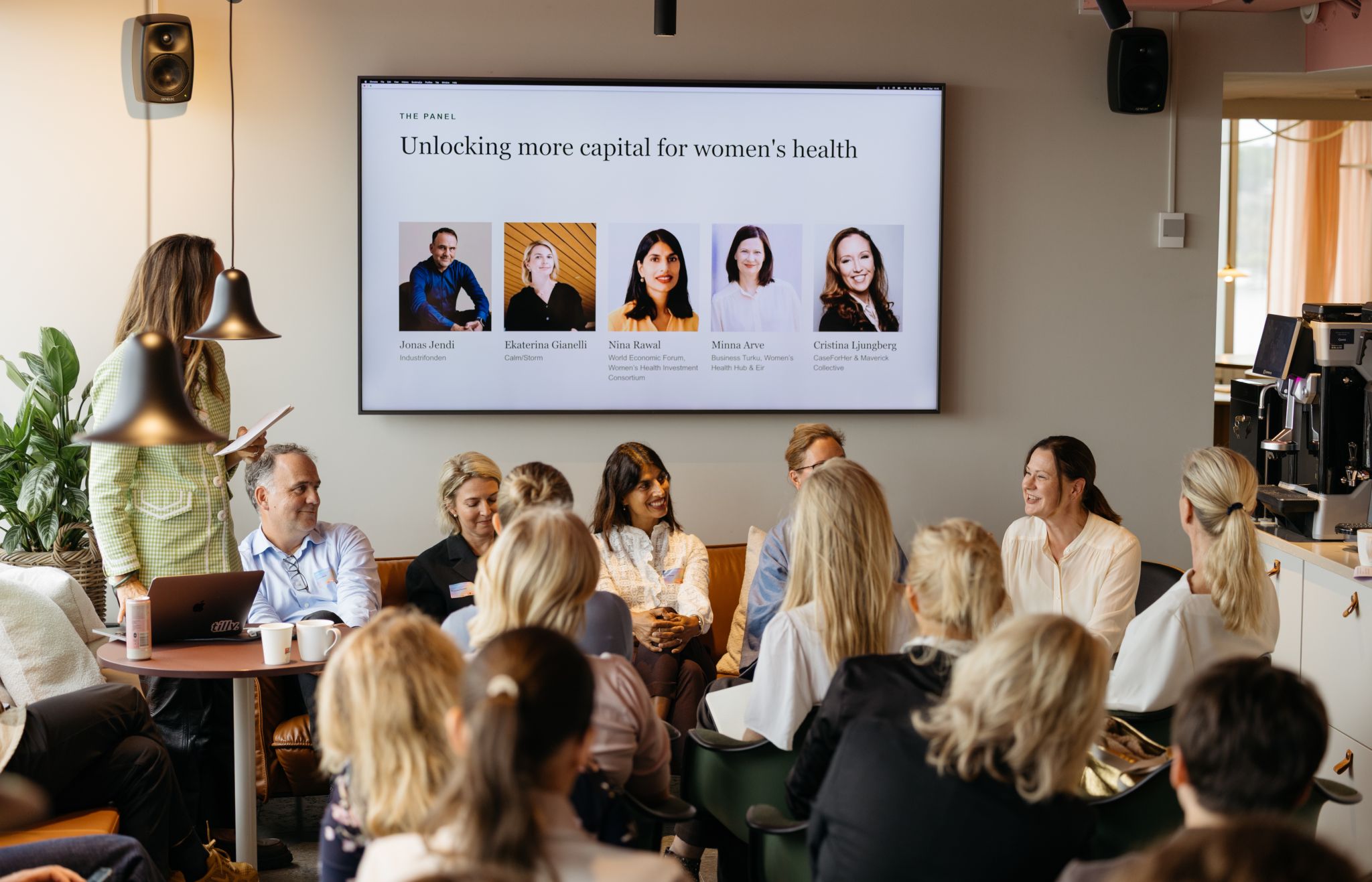
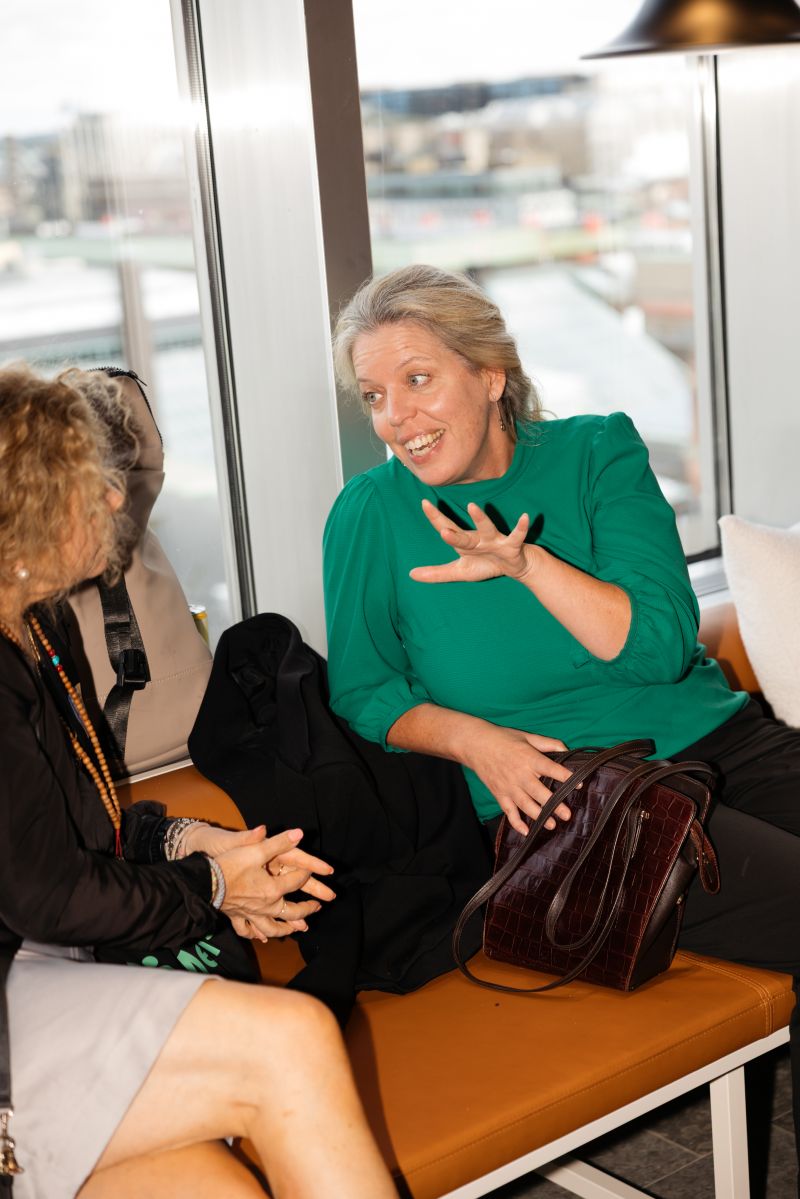
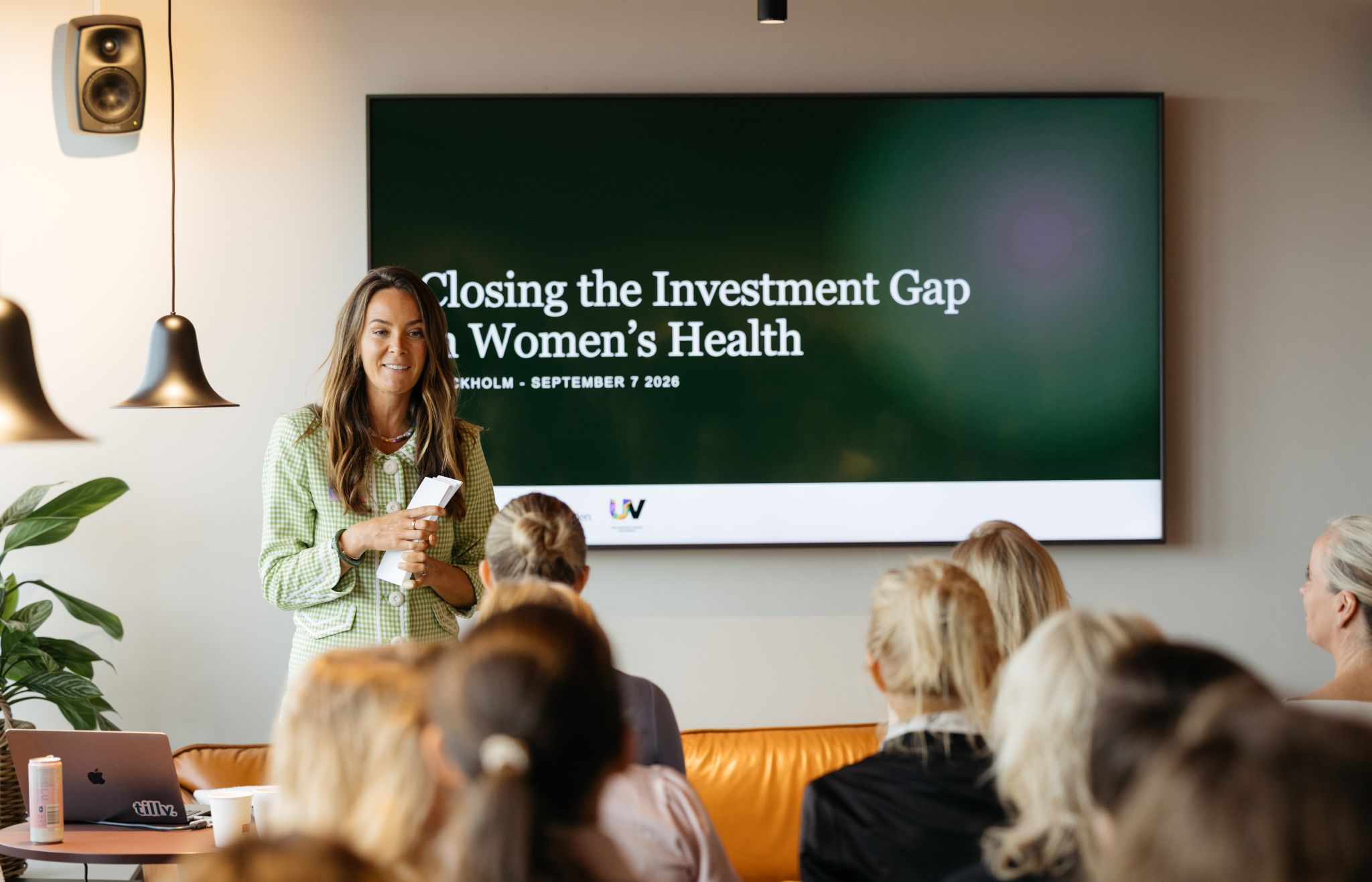
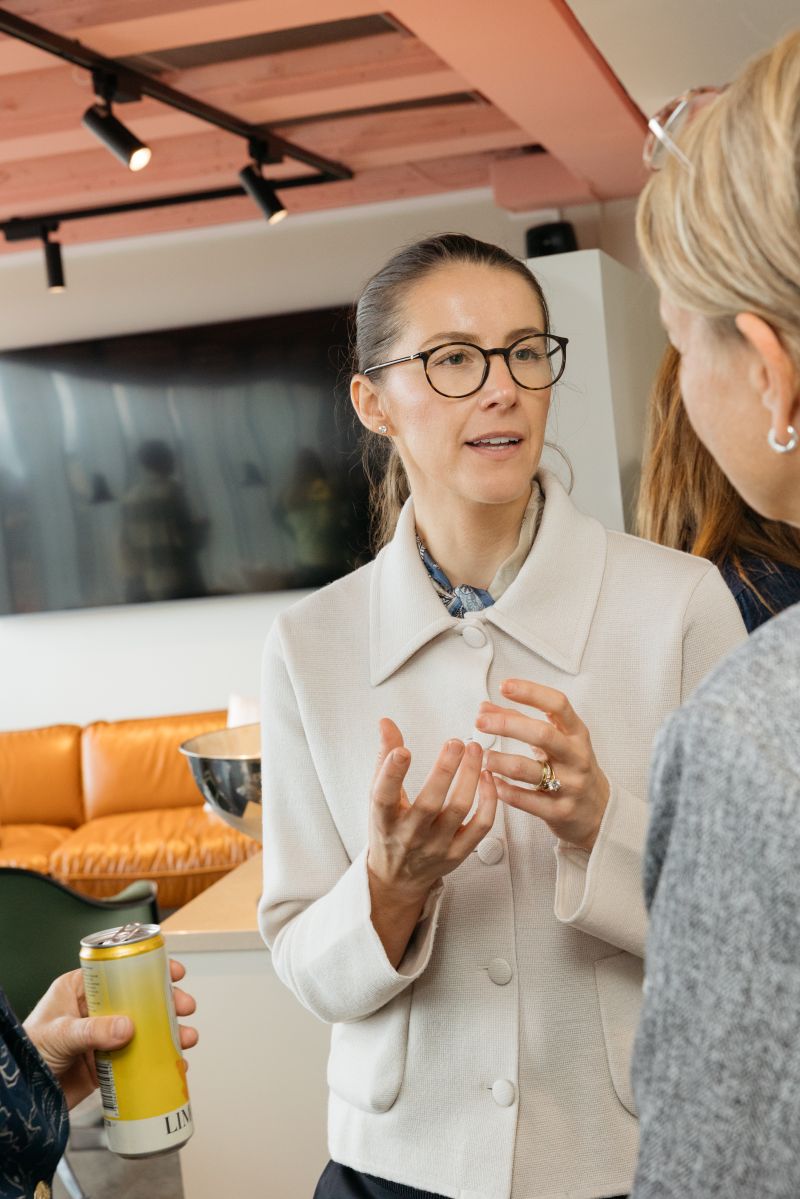
On September 7, 2026, we joined forces with Industrifonden and Unconventional Ventures to bring together funders – from philanthropists to venture capital investors – alongside researchers, innovators and key voices from across the Nordic ecosystem.
The event marked the starting point for the Nordic Funder Collaborative, sparking a concrete discussion on how better coordination across different forms of capital can help close funding gaps, unlock innovation and accelerate progress in women's health.
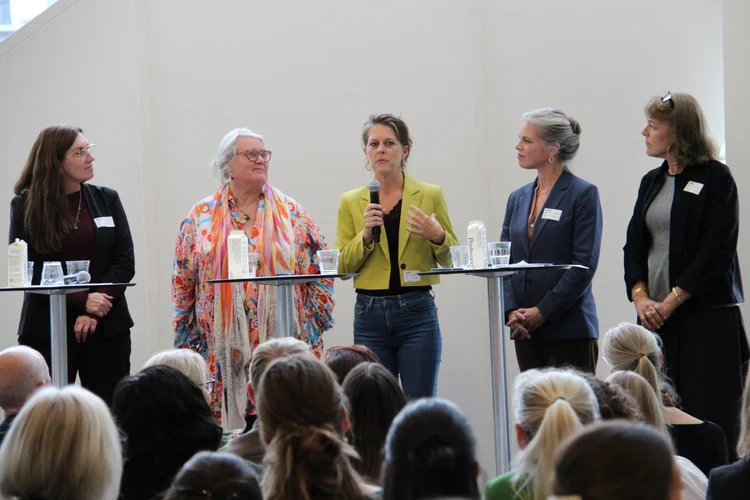
On September 23 2026, NORA’s co-founder Jeanette Kæseler joined a panel at the UN City Copenhagen for the launch of an international ISO standard on menstrual health and menopause, developed by Danish Standard.
The panel’s is headline was “Who owns the responsibility?”, and Jeanette discussed the shared responsibility with policymakers and employers to ensure that women receive the information, support and care they need throughout a life course.
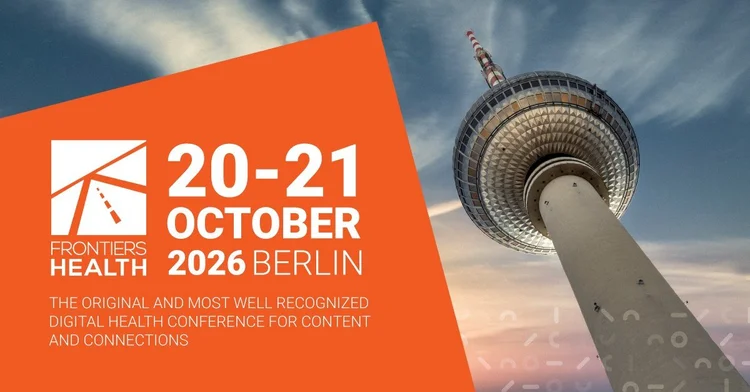
On October 20–21 2026, NORA’s co-founder Jeanette Kæseler will take part in a panel discussion on Ecosystems in Action: How Europe Is Powering the Next Wave of Health Innovation. Held as part of Frontiers Health’s Innovation Gathering, the session will bring together leading founders, investors, corporates and ecosystem builders to explore the future of health innovation in Europe.

On 5 March, World Health Organization hosted the event Rights. Justice. Action. For ALL Women and Girls.
NORA’s co-founder Jeanette Kæseler was a speaker - together with representatives from UNICEF, UN Women, UNFPA and several European ministries of health - presenting Nora and the Nordic vision for women’s health that she embodies.
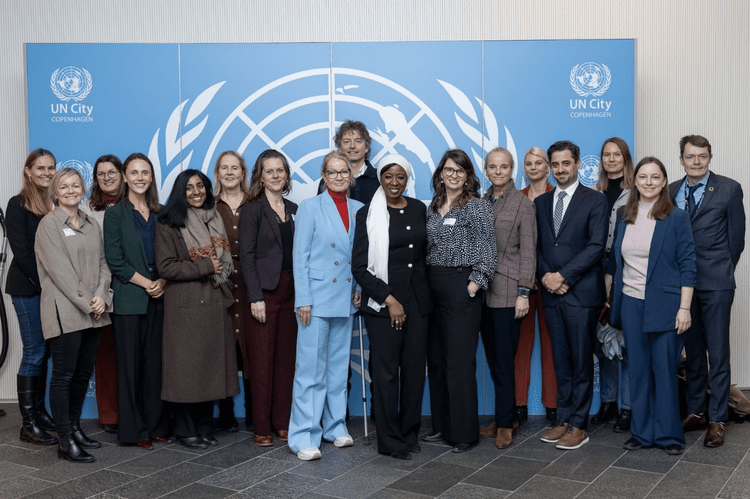
In February 2025, NORA met the Executive Director of UNFPA, Diene Keita, at the UN City in Copenhagen to discuss UN80 and the practical consequences for millions of women and girls around the world.
The message from Diene was clear: "It is time for collaboration. In times of geopolitical volatility, we cannot let noise distract attention from the health of 51% of the population.”
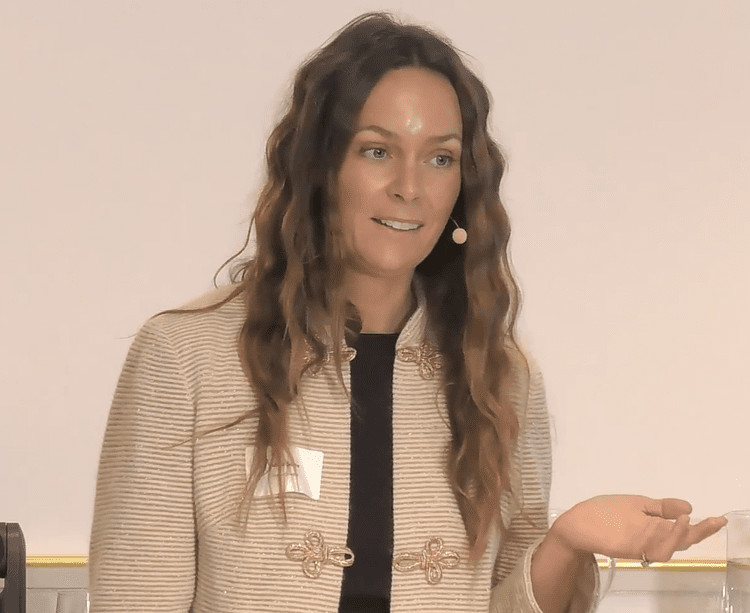
In December 2025 the Nordic Charter for Women’s Health 2040 was launched together with the Nordic Council of Ministers, and NORA’s co-founder Anna Sane spoke among the Nordic Women’s Voices.
Her core message echoed Melinda French Gates's hopes for 2026: that “it’s time to take the momentum women’s health has finally gained and turn it into lasting change” - or, as Anna put it, it’s time for DOing.
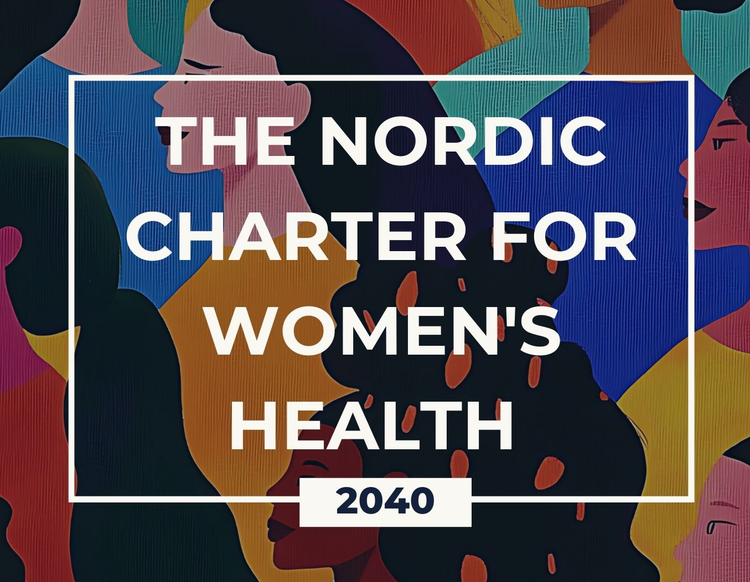
The 2040 Nordic Charter for Women’s is a strategic framework designed to transform women’s health from a niche concern into a cornerstone of Nordic social and economic resilience. Resulting from the collective insight of over 130 contributors across Denmark, Norway, Sweden, Finland, and Iceland. This document moves beyond aspiration to outline a concrete infrastructure for systemic change. Download it here.
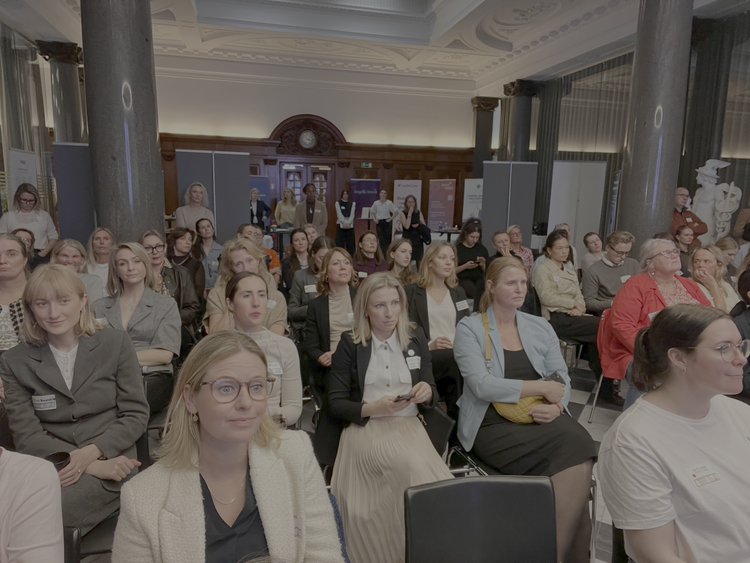
The Nordic Women’s Health Investor Summit brought together innovators, investors, researchers, and industry leaders to discuss how to close the investment gap in women’s health.
NORA's advisor, Ruth Bränvall, spoke in the panel debate on "Risk-Willing Capital in Women’s Health: Where are we headed and what does it mean for the Nordics?"
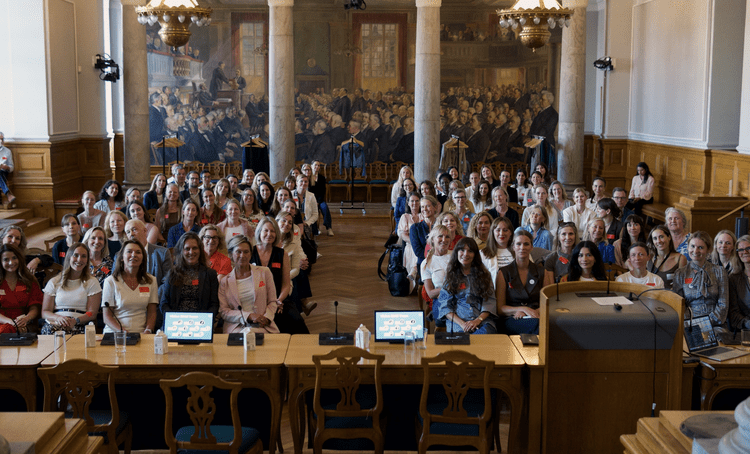
In September 2025, 136 women’s health experts from across the Nordics, gathered at the Danish Parliament to co-create a vision for women’s health 2040.
Initiated by NORA’s co-founder Jeanette Kæseler, the process was a strategic partnership between The Nordic Women’s Health Hub, The Copenhagen Institute for Futures Studies, Business Turku, Innovation Norway and Initiatior Pharma. The resulting framework is now published in the Lancet.